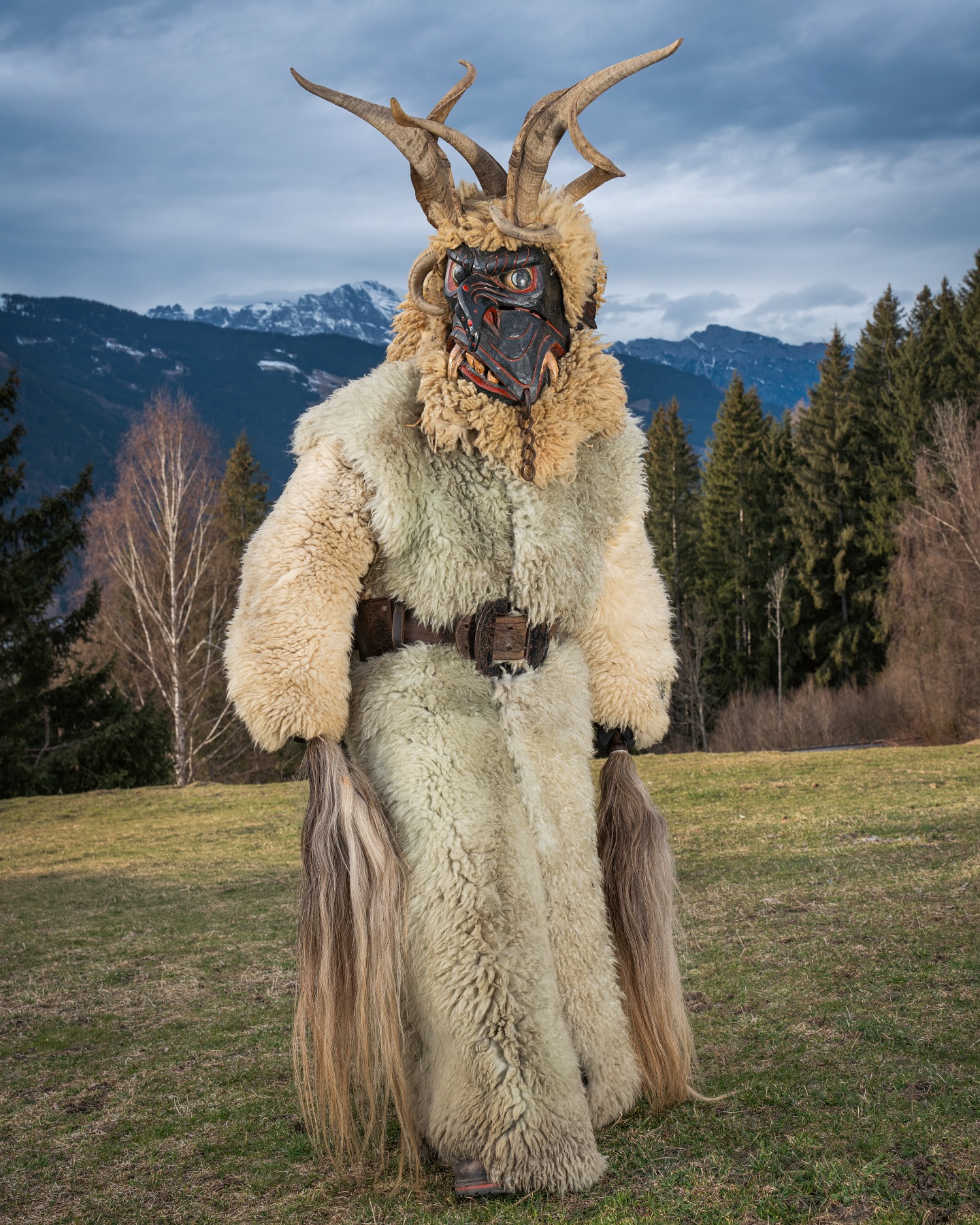
The legend of the Toras of El Fresno [Ávila, Spain] dates back to the Middle Ages and the struggles between Christians and Muslims.
There was a time when the border between the two regions was in the area that is today El Fresno. Then, several families dedicated to cattle ranching had settled very close, forming a community.
When the fields of the Amblés Valley began to yellow, the men left their wives and children at home and went with the cattle to the nearby mountains, where they found fresh pastures with which to feed their cattle, returning when the meadows greened with autumn rains.
While the men were away, Muslim troops advanced, leaving the lands of these families integrated among the new possessions of the Taifa of Toledo, and inhabitants were informed of the new laws.
Surprisingly, there was no limitation for Christians to continue practicing their religion freely. On the other hand, Muslims were concerned with control of their territory, demanding a census of the lands and cattle that each of their new subjects had. A problem arose, since at that time the cattle were in the mountains and there was no way to prove their existence.
Understanding the explanations given to him by the women, the representative granted them a grace period until the dusk of the first day of Ramadan. By then, both sides assumed the men would have returned with the cattle to the valley, but they were warned if they hadn’t yet returned, all the cattle would be considered ‘mestencos’ (beasts having no known owner).
When the emissary returned, there was still no news of the return of the shepherds. The women begged for a deadline extension, but it was refused. He would wait only until sunset.
It was then that the cowbells began to ring, and with the last rays of the sun, the silhouettes of the cows began to be drawn far in the distance. This was sufficient proof, and the emissary sealed the document that granted them the property of the animals.
The women, with tears of happiness, ran to meet their husbands. Instead they found all the children in the area who had disguised themselves with horns and cowbells, thereby deceiving the Muslims. [academiaibericamascara.org]