“The heart of the Tigrada beats to the rhythm of passion-filled dances, chords of music that enchant the soul and gentle whisper of the mezcal shared among friends.”
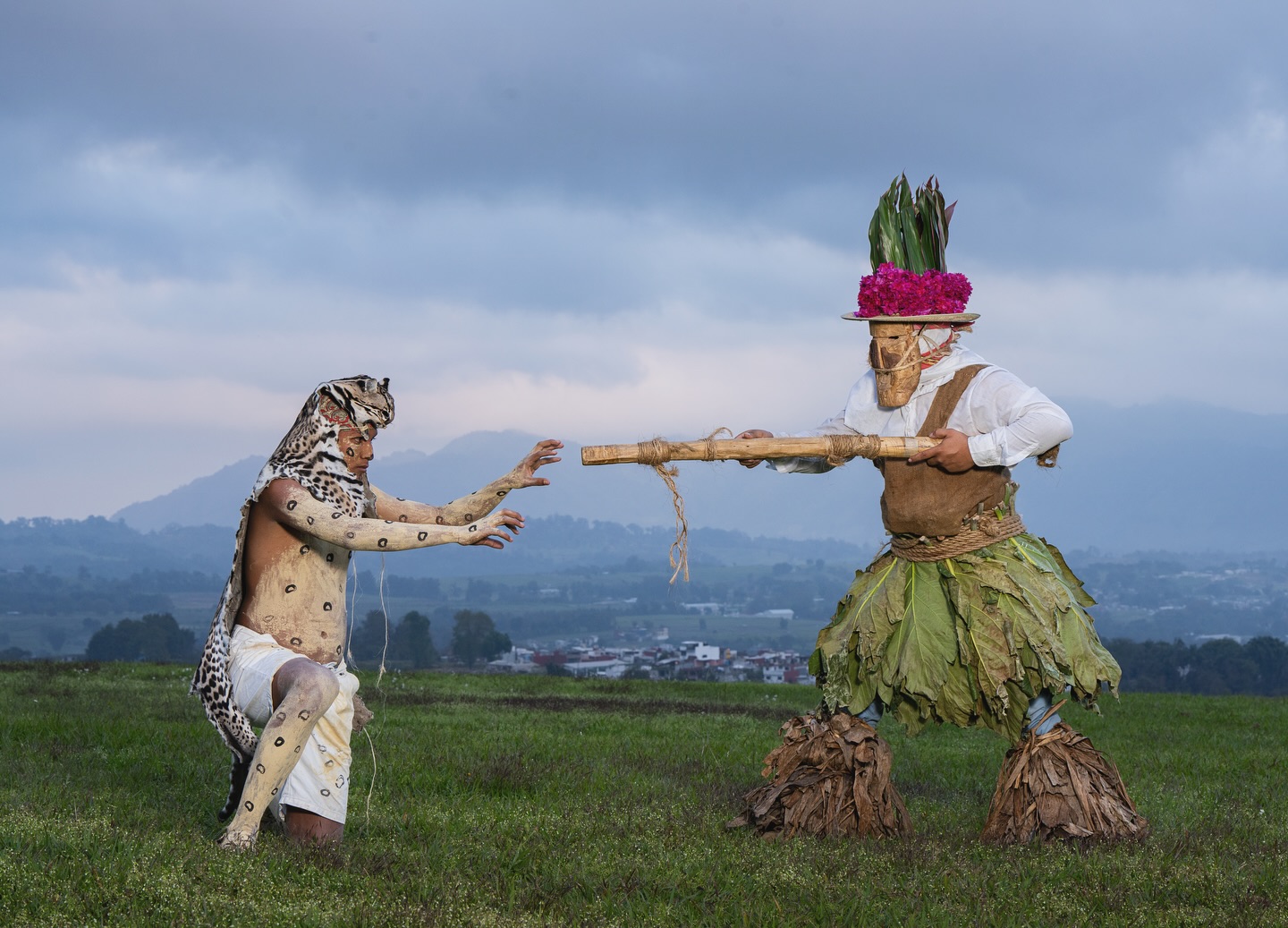
The tigers’ handmade wooden masks are adorned with mirrors that reflect stories of the past and bring to life their ancient mythology. The character’s origins date back to the pre-Hispanic era, when indigenous peoples worshipped Tláloc, the god of rain, to ensure good harvests and the fertility of the earth. This celebration took place in the fields, where farmers, disguised as tigers ran from one side to the other to scare away evil spirits and ensure a good harvest. Today, although devotion to the Virgin of the Assumption has merged with this tradition, the essence of asking for the fertility of the earth and thanking nature is still present.
As they dance, each tiger drags heavy metal chains that, when rubbed with the ground, produce a loud sound of thunder or heavy rain. The sound is believed to be attributed to the “Whip of Tláloc”, the god of rain, who according to legend, was deceived by men disguised as tigers to steal his sacred corn.
Although called the Tigrada, the feline of Mesoamerican cultures is not the tiger but the jaguar, associated with attributes such as courage, rain and fertility. Although jaguars live in the region of Guerrero, during the Conquest, the Spaniards confused them with tigers, which led to a fusion of cultures that lasts to this day.
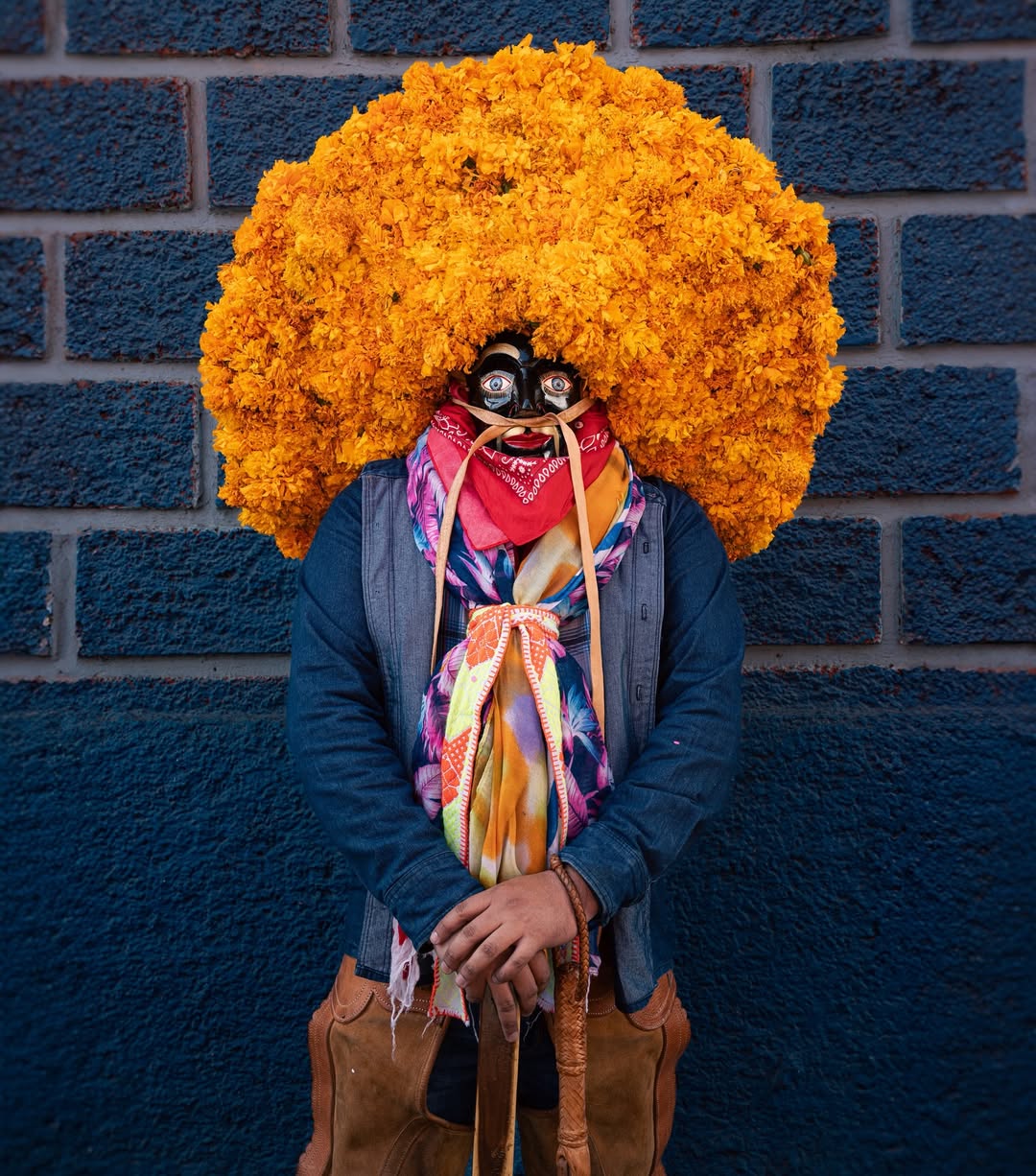
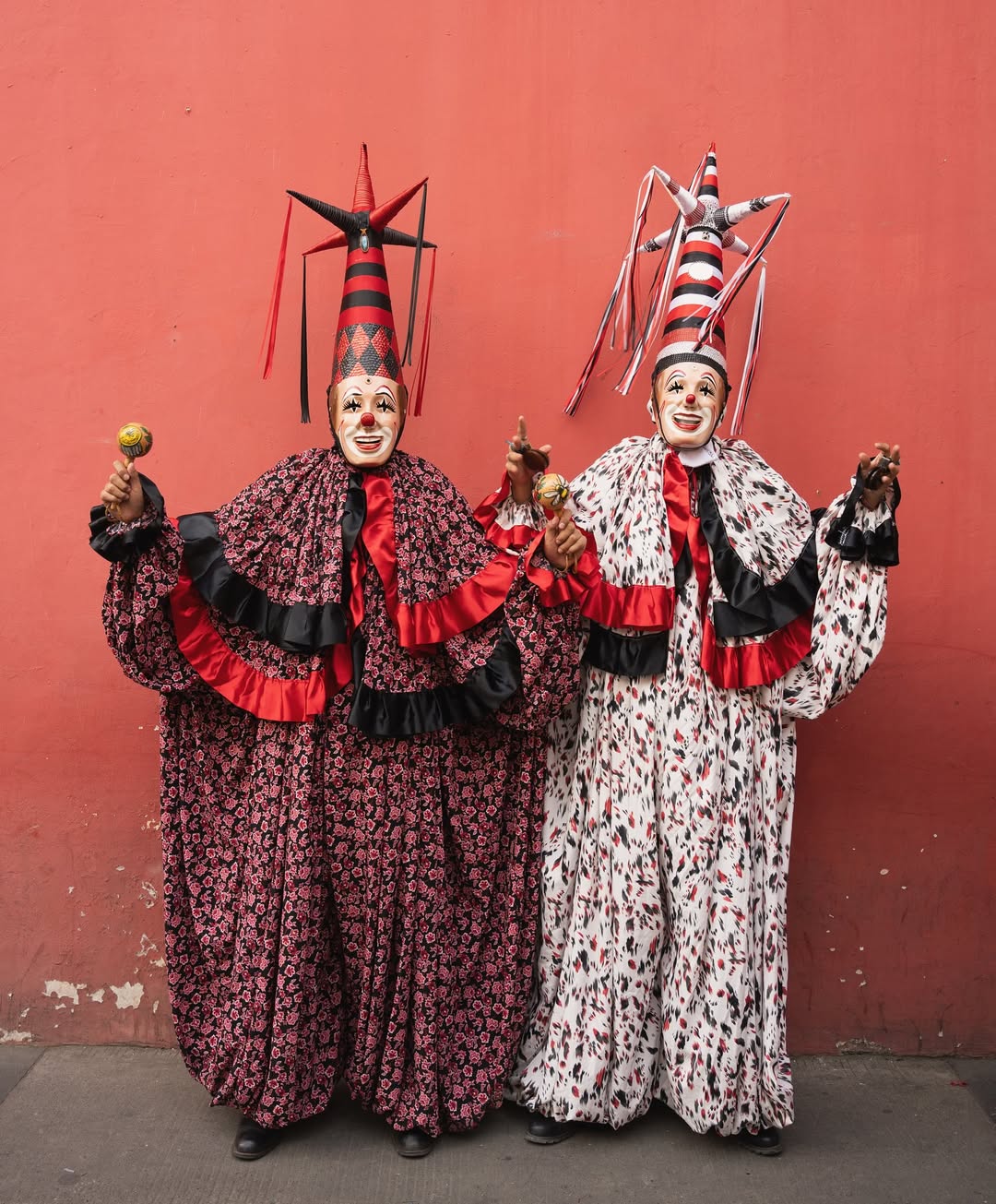
Captured at Festival de Mascaras Danzantes, Coscomatepec
Additional textual sources via Hugo Bernamonti, The Tigrada: In the Clutches of Tradition