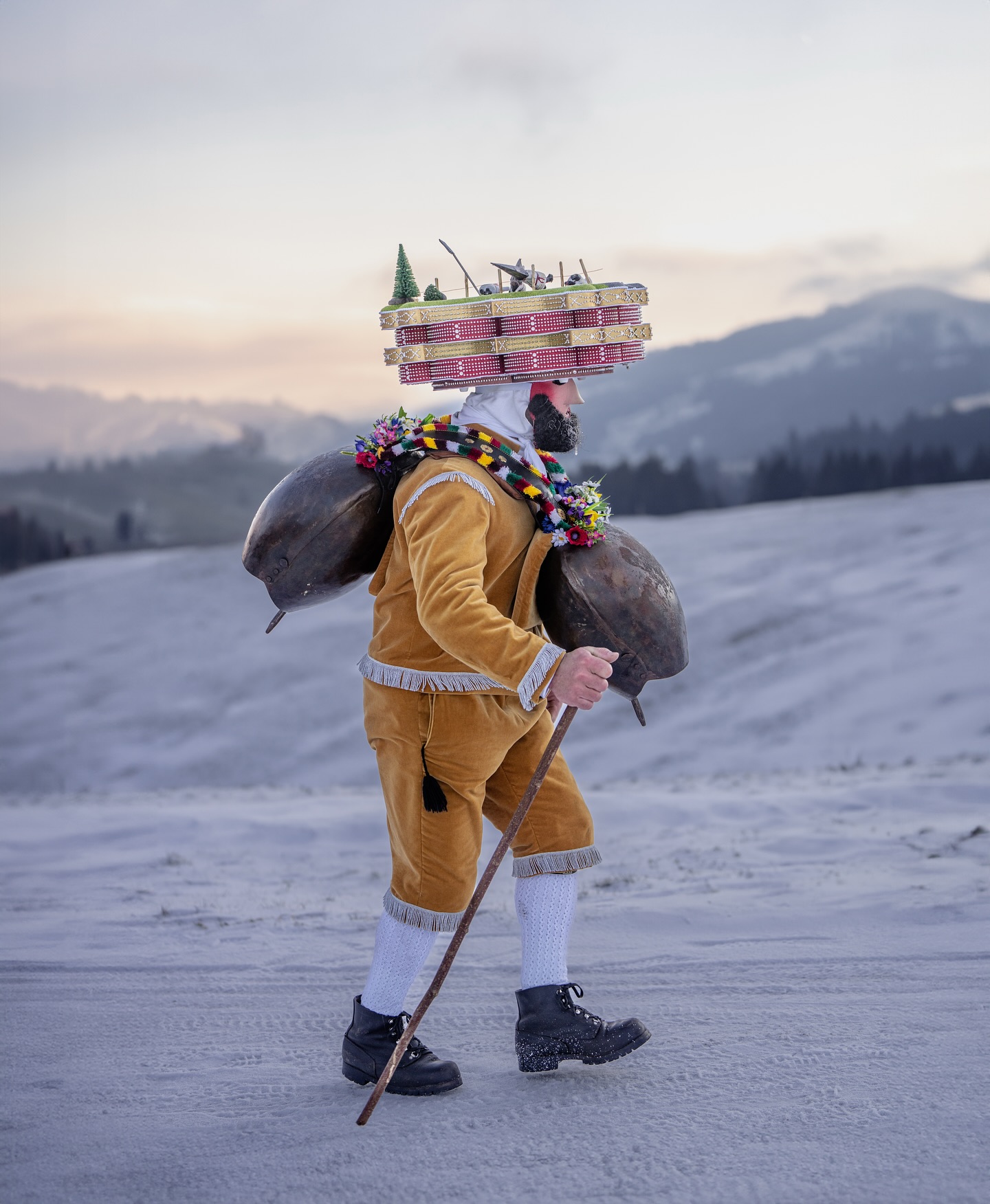
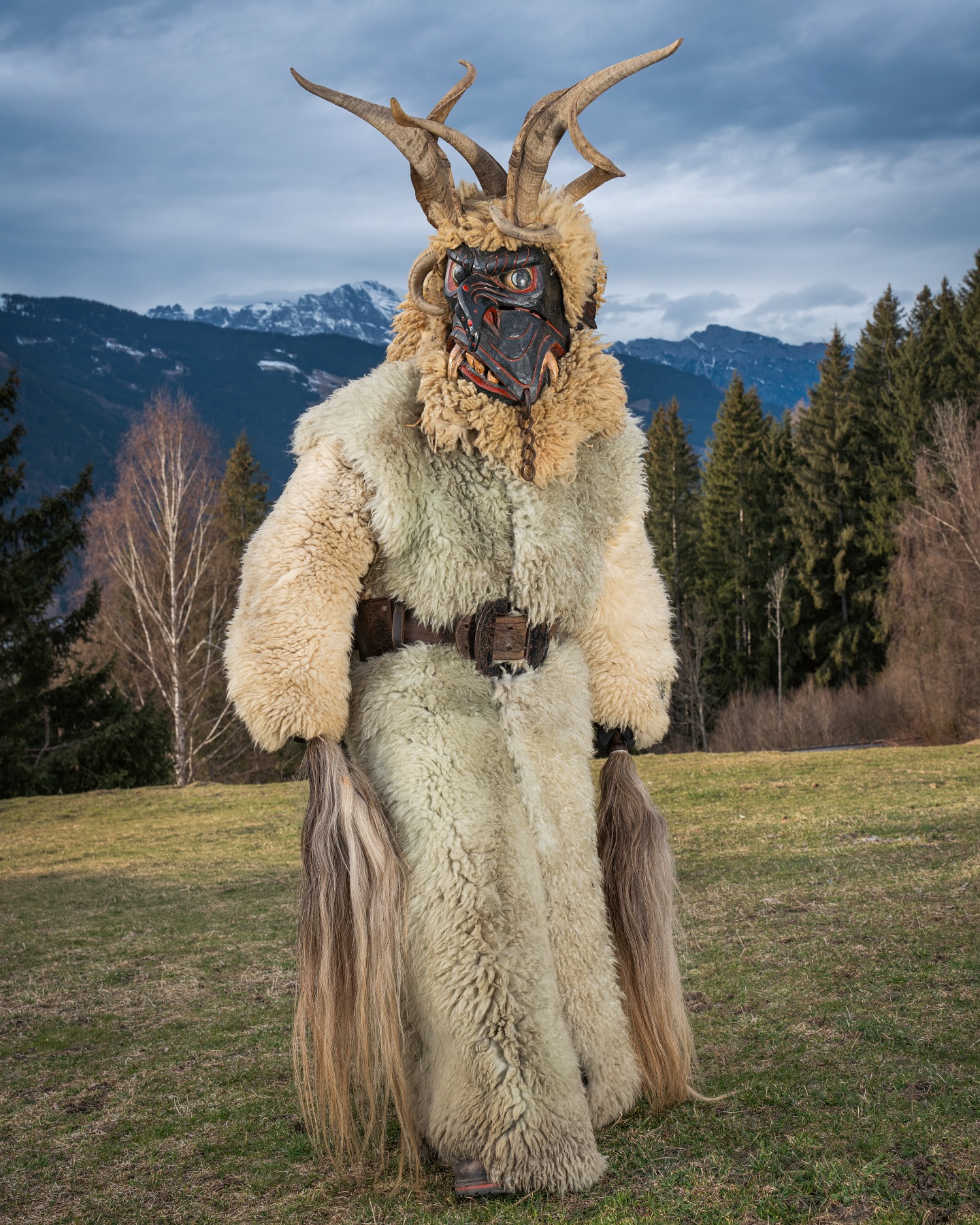
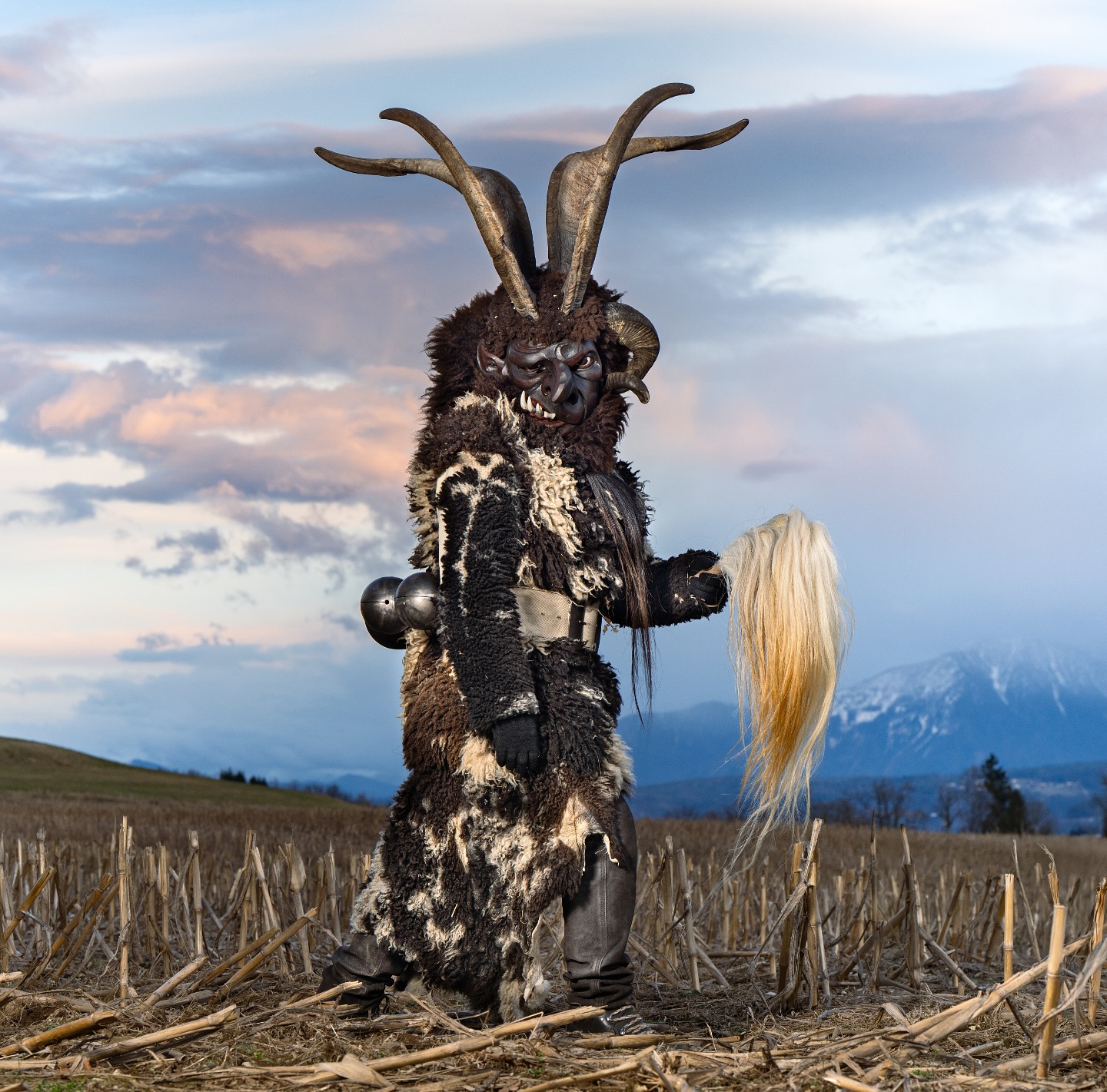
On January 13th in the evening around a bonfire in the center of the settlement, the whole village gathers to play and have fun with the masked survashkari. In Bela Voda, they are called mechkarye. The masks of the disguised men are distinctively zoomorphic and have many faces. They are made in such a way that every frightening face may open its mouth and show its large teeth. That is why they are called “zevala” (“gapers”). The favorite mask, with 12 faces, the locals have called “zmey” (“dragon”). Months before Surova, a few of the participants in the masquerade under the leadership of a long-standing survashkar gather in the hall of the old culture house (chitalishte), which the locals call mechkarnica (literally “bear house”; in fact a workshop), to fix the old masks and craft new ones. Lead by a master craftsman, the younger participants learn how to put together the base, where the frame bends and branches, how to glue the animal leathers, how to put the teeth, and what paint to use. The youngest helpers gather leathers and horns from the village, bring the teeth, prepared by the carpenters of the local mine, put together the bells, implicitly listen to the older mechkarye and receive love and joy from the contact with tradition in return.
Textual Source: Survakari.com