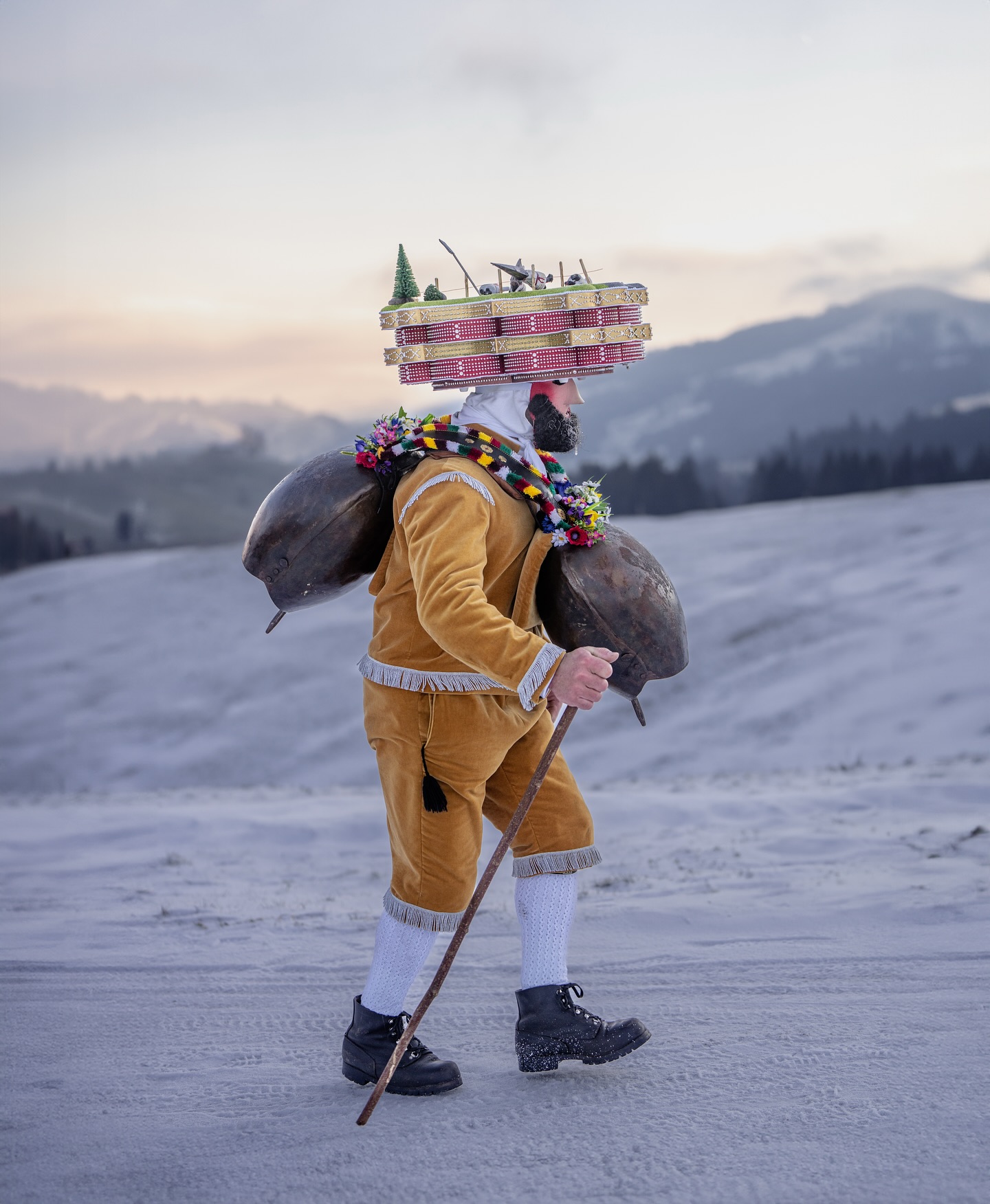
“In Sardinia, all the villages once practiced masking in honor of the god of rain, Maimone. When the land was thirsty from drought, shepherds and farmers could not help but resort to the invocation of Maimone through ritual masquerade to bring rainfall. Each January celebrations were held in Maimone‘s honor. The rite is very ancient, pre-Christian. It is based on the death and rebirth of vegetation each spring.
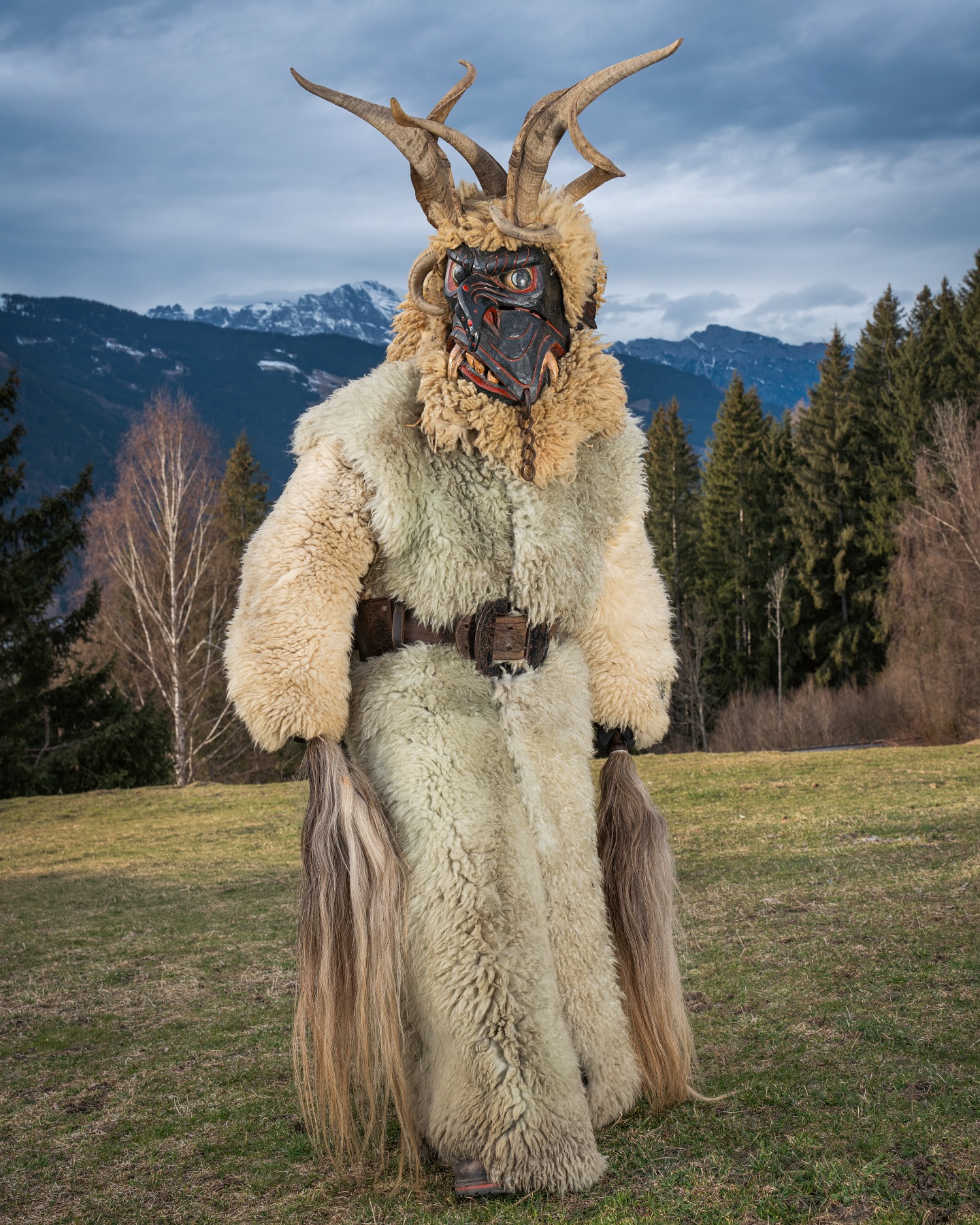
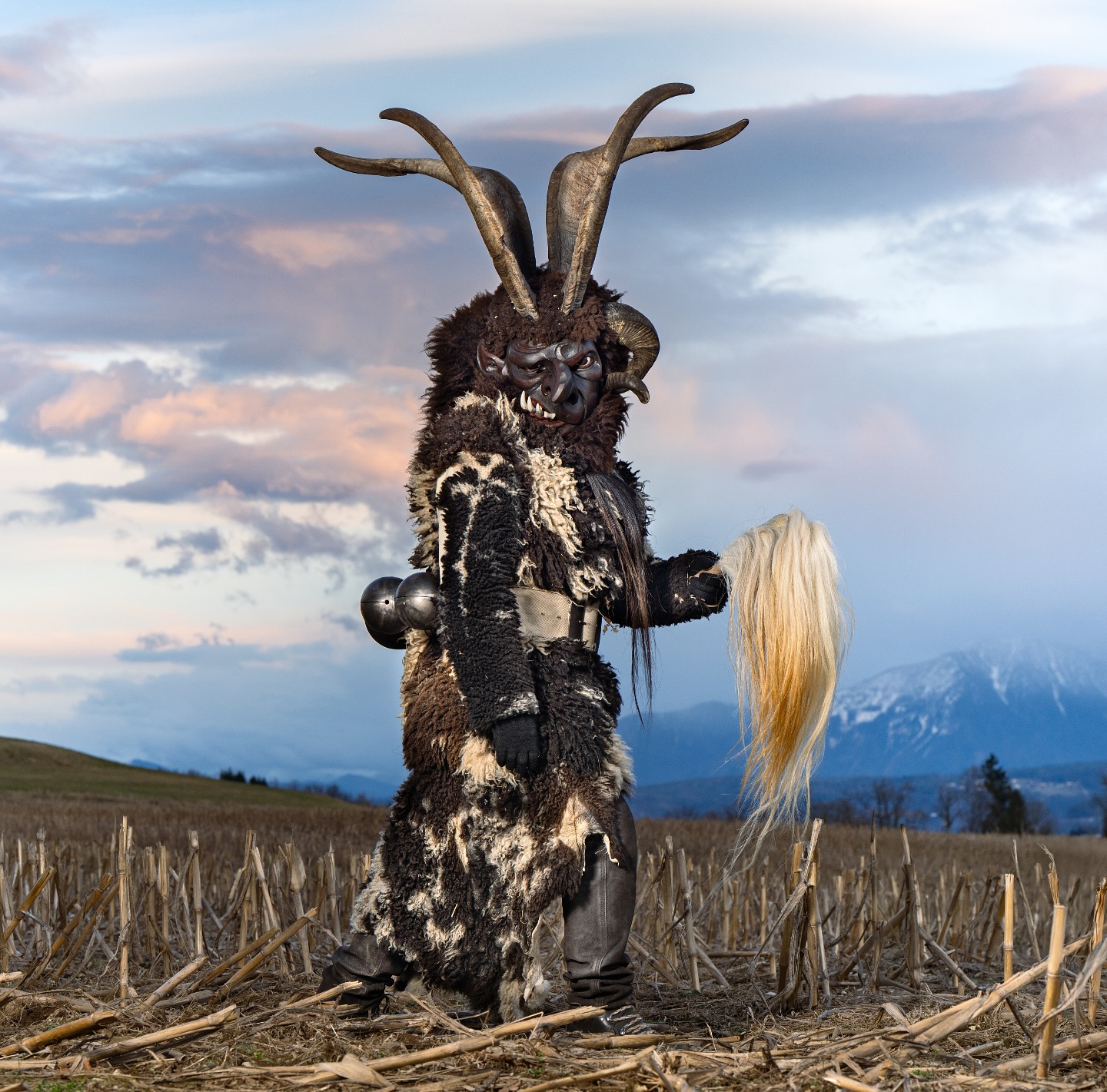
The masks of Sorgono are called “sos Arestes,” ‘the wild ones’. They are dressed in skins, and shake the bones they carry on their shoulders. They have their heads hidden by horned and woolly headdresses.
They keep “s’Urtzu” at bay, their victim, who is a tormented soul. He almost always takes the form of a bull, goat, deer or wild boar. He is tied to the waist with a chain, bruised by the Arestes’ repetitive blows, suffered and bloody. This violence towards the victim lasted until the day of San Sebastiano, when “s’Urtzu” had to die — sometimes pretending — but sometimes he really died because of the beatings. Among the masks that many towns abandoned first was precisely “s’Urtzu”, because no one wanted to play that role anymore because of the beatings that were not always fake. Perhaps in the pre-Christian period the victim was doomed to death, in order to represent the passion and death that Dionysus had suffered.
One wonders why the Church, in so many centuries, was unable to completely eradicate this rite. The answer is to be found in the drought that periodically hit the island, halving the population and causing various types of plagues due to the lack of water. The serious famine that hit the island in 1678 remains memorable.
Textual sources: LA MASCHERA DI SORGONO IS ARESTES E S’URTZU PRETISTU, Dolores Turchi (2010)”