Unlike Krampus, who is all about scaring naughty youth, Perchten come in two distinct forms:
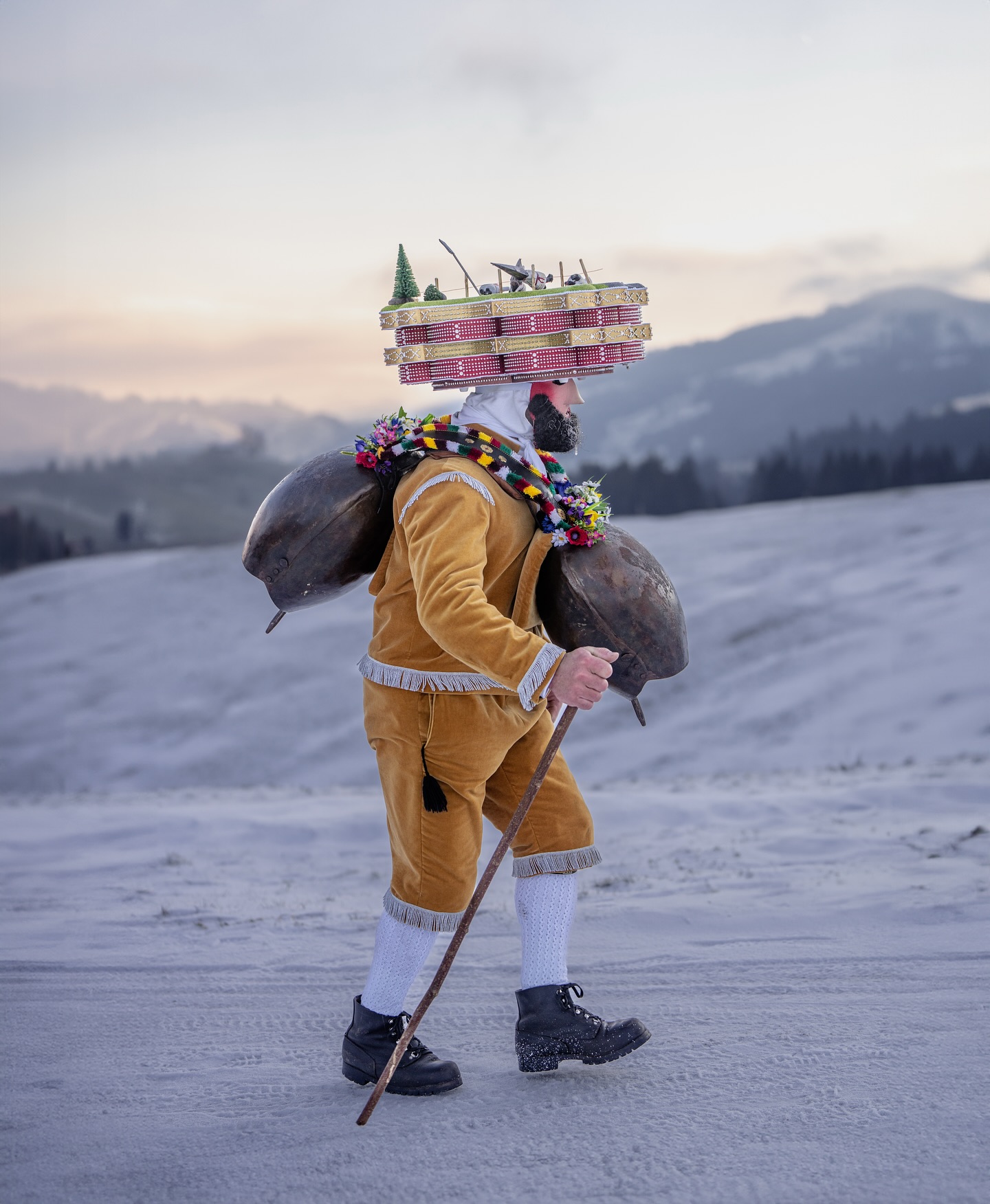
Schönperchten (Beautiful Perchten) – These radiant, angelic figures symbolize good fortune, fertility, and prosperity. They are linked to Frau Perchta, a mysterious goddess-like figure who rewards the diligent and punishes the lazy. Villagers once welcomed these beings in hopes of a prosperous year ahead.
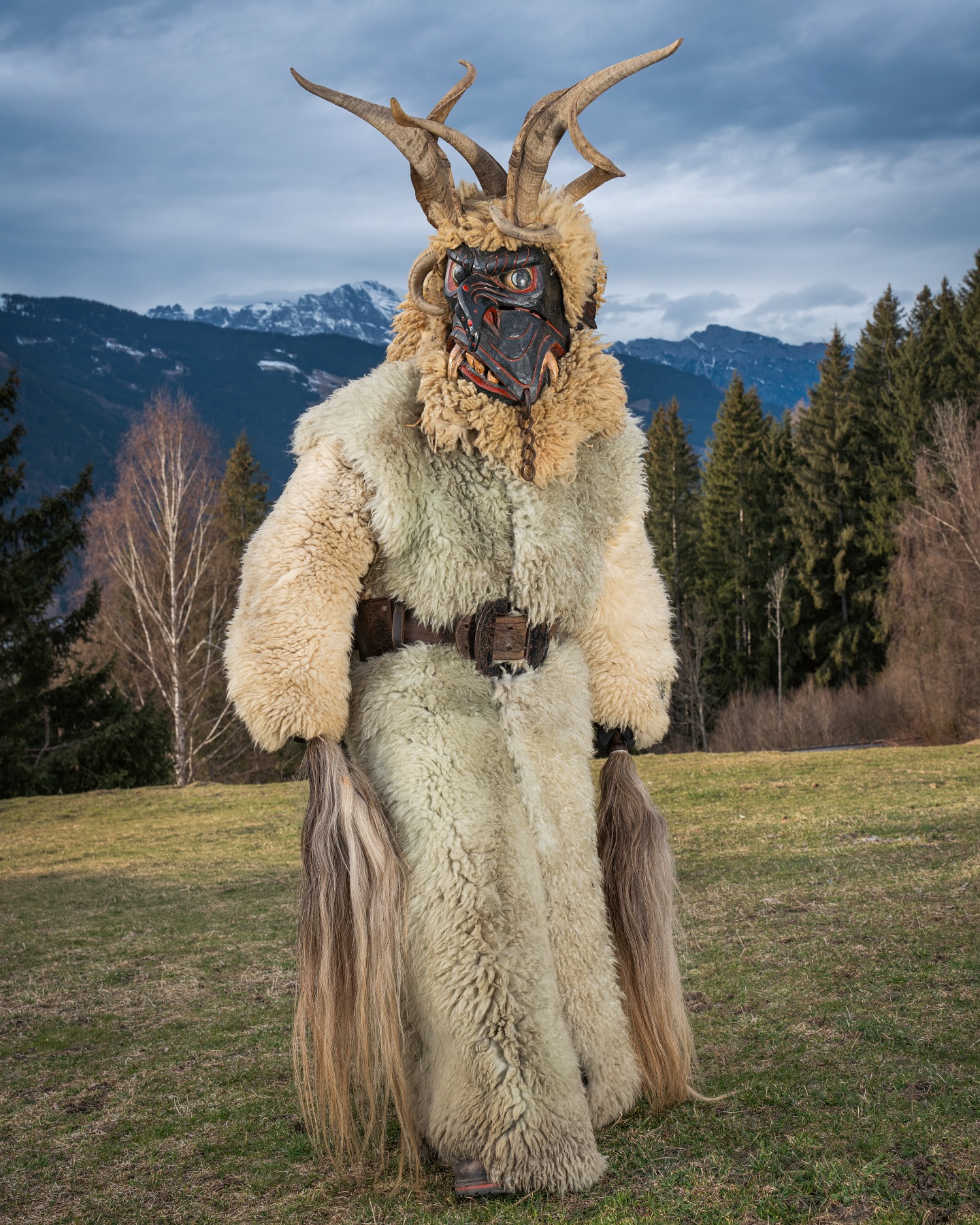
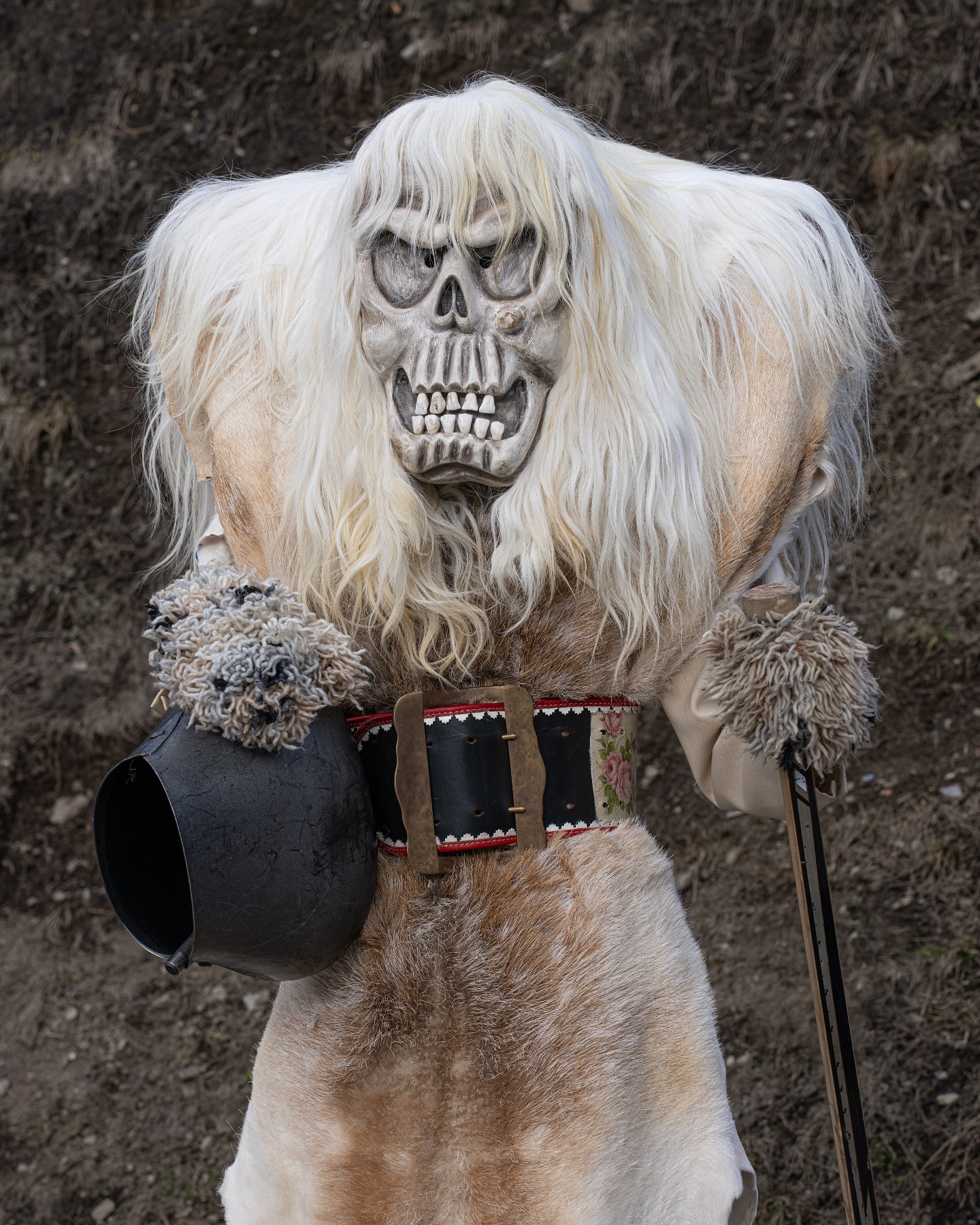
Schiachperchten (Ugly Perchten) – These are the terrifying, monstrous versions, with grotesque wooden masks, long horns, and shaggy fur. Their role is to chase away evil spirits and the harshness of winter. During Perchtenlauf (Perchten Parade), these beings storm through towns, ringing bells and making noise to ward off misfortune and ensure a prosperous year.
Perchten come out during the 12 Days of Christmas, especially Epiphany (Jan 5-6), not just Krampusnacht (Dec 5-6). Their tradition predates Christianity and is linked to pre-Germanic Alpine beliefs in seasonal cycles. Over time, the Catholic Church tried to suppress the practice, but it persisted, merging with Christian customs and evolving into the raucous festivals we experience today.
This mask was created by @bildhauer.tobias.mueller Tobias Mueller, a young artisan who has followed in his father’s footsteps as a masterful maskmaker. Stay tuned for more of his stunning work.